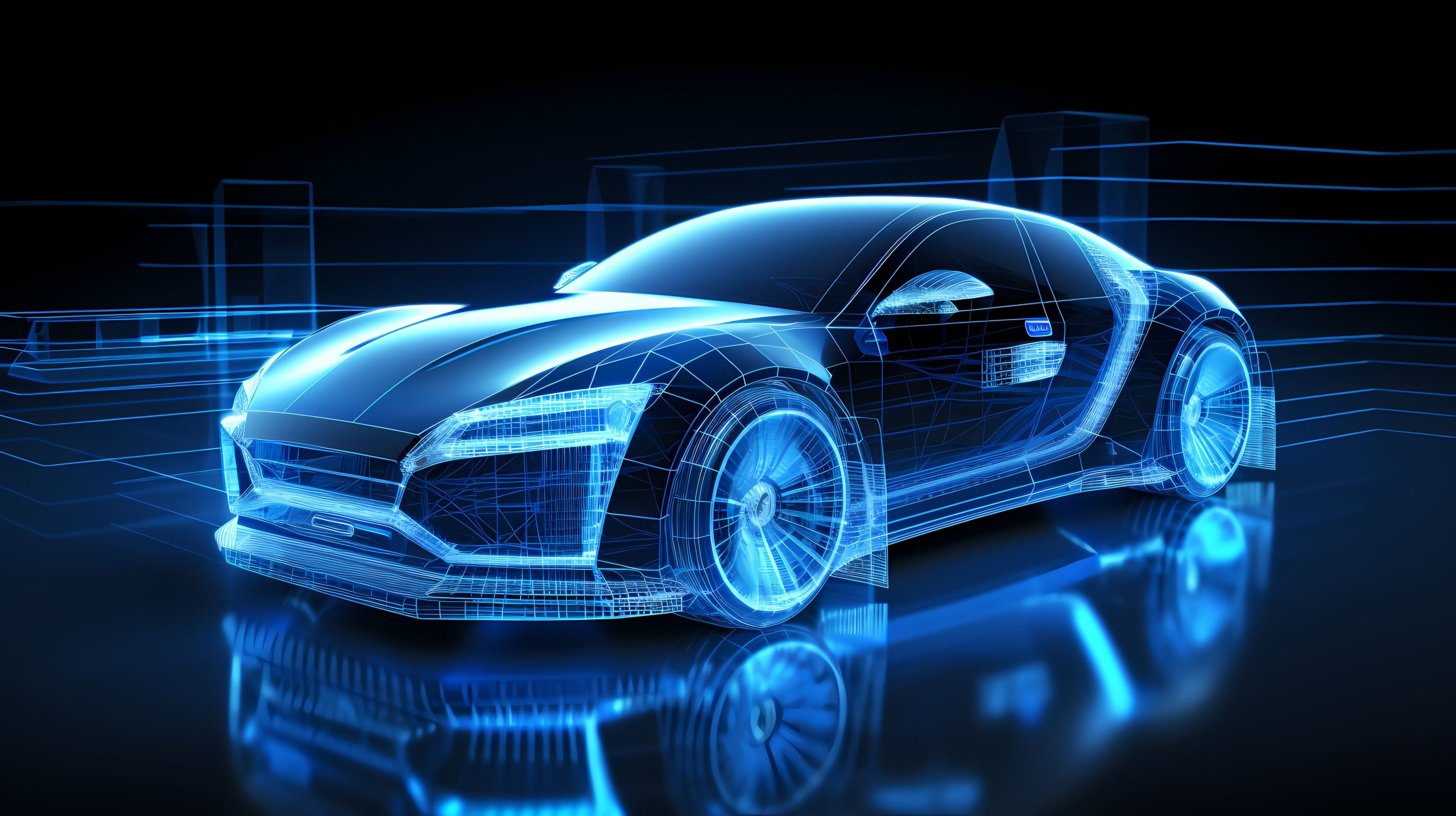
Physical AI Integration Driving the Future of Smart Cars

Physical AI Integration is quietly reshaping the cars we drive every day. Instead of bolting separate bits of technology together, vehicle manufacturers are now combining intelligent software and hardware from the very beginning of the design process. This approach speeds up everything from engineering and testing to real-world driving performance. For everyday drivers, it means smarter safety features, faster innovation and vehicles that can learn from the roads they travel.
Rather than relying heavily on remote cloud systems, modern vehicles increasingly process information inside the car itself. Cameras, radar sensors and onboard processors work together in real time to understand what is happening on the road. As a result, the vehicle can react faster to sudden traffic situations, changing weather or unexpected hazards.
This shift represents one of the biggest technological leaps since GPS navigation and parking assistance entered mainstream vehicles.
What Physical AI Integration Means for Modern Vehicles
At its core, this concept refers to embedding intelligent decision-making systems directly into the physical components of a car. Sensors, processors and AI models operate as one integrated system rather than independent modules.
The vehicle continuously gathers data from its surroundings—traffic signals, pedestrians, road conditions and nearby vehicles. The onboard system analyses this information instantly, allowing the car to respond in fractions of a second.
Because the computing happens locally inside the vehicle, response times improve significantly compared with systems that depend on remote processing. This is particularly important for driver-assistance features such as automatic braking, lane keeping and collision avoidance.
For readers interested in broader autonomous driving trends, you can explore our internal guide on How Vehicle Simulation Drives the Future of Autonomous Vehicles.
How Physical AI Integration Accelerates Autonomous Development
Developing autonomous driving systems used to involve combining software platforms, sensor systems and computing hardware from multiple suppliers. That process was slow, complex and extremely expensive.
Today, integrated AI platforms simplify development. Hardware and software are packaged together so manufacturers can begin testing much earlier in the design cycle.
This streamlined approach provides several advantages:
-
Engineers spend less time connecting components
-
Testing environments can be standardised
-
Development cycles become shorter
-
Updates can be delivered faster
Instead of building a complete system from scratch for every vehicle model, manufacturers can deploy a shared foundation and customise driving behaviour through software updates.
Physical AI Integration in Action from UK Innovators
One of the most exciting examples comes from the London-based startup Wayve. The company has developed a system known as the AI Driver, which learns directly from real-world driving experience rather than relying solely on detailed maps.
Wayve recently partnered with Qualcomm to integrate its technology into the Snapdragon Ride platform, allowing car manufacturers to adopt advanced driving intelligence more easily.
You can learn more about their research at the official Wayve website.
This collaboration means future vehicles could gain advanced assistance features much faster than traditional development cycles allowed. It also demonstrates how partnerships between software companies and chip manufacturers are accelerating innovation.
NVIDIA Advances Physical AI Integration in Automotive Technology
Another major contributor to this evolution is NVIDIA. At CES 2026, the company introduced new open AI models designed to help vehicles reason through driving decisions step by step.
These systems combine massive driving datasets with advanced simulation tools. Engineers can recreate complex road scenarios in virtual environments before testing them on real roads.
The first commercial vehicle expected to use these technologies is the new Mercedes-Benz CLA model launching later this year.
Further details about NVIDIA’s automotive platform can be found here.
This type of technology enables cars to interpret road conditions more intelligently, making driving assistance systems more reliable.
Key Benefits of Physical AI Integration for Manufacturers
Car makers see several clear advantages from adopting integrated AI systems.
Faster product development
Integrated platforms reduce engineering complexity, allowing new features to reach the market faster.
Lower development costs
Using a shared technology foundation reduces the need for custom engineering across every vehicle model.
Improved safety
Systems built around unified sensor data can identify hazards more quickly and make more reliable decisions.
Scalability across global markets
The same system architecture can be deployed across vehicles sold in different countries while adapting to local driving conditions.
This balance allows manufacturers to maintain their brand identity while still benefiting from a common technological backbone.
Current Challenges Facing Physical AI Integration
Despite the progress, several challenges remain.
First, integrated computing systems require significant processing power. Managing that power efficiently while maintaining battery life is still an ongoing engineering challenge, particularly for electric vehicles.
Second, ensuring safety in every possible driving situation requires enormous amounts of testing data. Edge cases—rare events such as unusual weather or unpredictable human behaviour—must be carefully analysed.
Finally, regulators around the world continue to establish standards for autonomous technologies. Certification processes must ensure that these systems operate reliably under real-world conditions.
Industry collaborations and data-sharing initiatives are helping address these challenges as the technology matures.
The Future of Physical AI Integration in Transportation
Over the next decade, intelligent vehicle systems will likely become more advanced and more widely available. Autonomous delivery trucks, robotaxis and smart urban mobility services are already being tested in several countries.
Future vehicles could automatically detect road hazards, communicate with nearby infrastructure and continuously improve through over-the-air software updates.
For everyday drivers, this could mean:
-
safer driving assistance systems
-
smoother traffic flow
-
reduced accident rates
-
vehicles that improve long after purchase
Many experts believe these innovations will gradually shift driving from a manual task to a collaborative experience between humans and intelligent machines.
Why Physical AI Integration Matters for Everyday Drivers
The biggest takeaway is simple: smarter technology is making vehicles safer and more capable. Integrated AI systems reduce complexity while enabling rapid innovation across the automotive industry.
Whether you are commuting through city traffic or travelling long distances on motorways, these advancements will likely shape the driving experience in the coming years.
As manufacturers continue refining these technologies, the gap between driver assistance and full autonomy will continue to shrink—bringing us closer to a future where vehicles can understand and respond to the world around them with remarkable intelligence.
FAQs
What does this technology actually do in a car?
It allows the vehicle to analyse data from cameras, sensors and radar in real time and make driving decisions instantly.
Does this technology rely on cloud computing?
Most of the processing happens directly inside the vehicle, which improves response time and reliability.
Which companies are leading development?
Several innovators are contributing, including Wayve, Qualcomm, NVIDIA and major automotive manufacturers.
Is the technology already available in cars today?
Many advanced driver-assistance features already rely on similar systems, particularly in premium vehicles.
When will fully autonomous vehicles become common?
Experts estimate widespread adoption could occur within the next decade as regulations and technology continue to evolve.
Author Profile

- Online Media & PR Strategist
- Hello there! I'm Online Media & PR Strategist at NeticSpace | Passionate Journalist, Blogger, and SEO Specialist
Latest entries
 Vehicle SimulationMarch 11, 2026Physical AI Integration Driving the Future of Smart Cars
 AI WorkflowsMarch 9, 2026AI Insurance Underwriting: Gradient AI Funding Impact
 AI InterfaceMarch 7, 2026Anthropic Claude Available Despite US Defence Ban
 Scientific VisualizationMarch 6, 2026AWS Healthcare AI Agents Platform for Smarter Patient Care