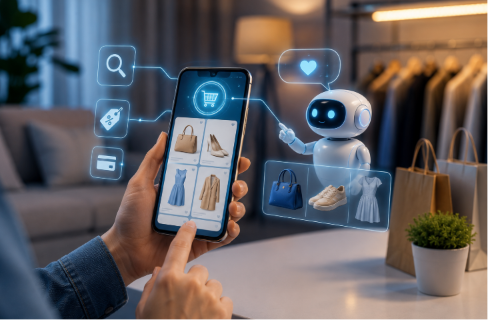
AI Shopping Agents: Why Consumers Trust Them More

AI Shopping Agents are quickly changing how people discover, compare, and buy products online. New research from Accenture suggests that consumers are becoming more comfortable letting AI assist with shopping decisions. This article explains why trust is growing, what it means for retailers, and how businesses can prepare for the next phase of digital commerce.
Shopping online has always involved searching, comparing, and deciding. However, many consumers now want faster and simpler experiences. As a result, AI-powered shopping assistants are becoming an important part of the buying journey.
Why AI Shopping Agents Are Gaining Consumer Trust
Trust is the foundation of any shopping experience. First, consumers need confidence that recommendations are relevant. Next, they want assurance that their personal data is handled responsibly.
According to recent research, many shoppers are becoming more open to AI-driven recommendations. Instead of spending hours comparing products, they can rely on intelligent systems to narrow their choices.
This shift reflects a broader trend. People already trust digital tools for navigation, entertainment recommendations, and financial services. Shopping is simply the next step.
Retail Network Solutions Drive Retail Business Growth
How AI Shopping Agents Help Consumers Save Time
Time is one of the most valuable resources for modern consumers. First, shoppers often face thousands of product options. Next, they must compare prices, features, reviews, and availability.
AI Shopping Agents simplify this process by:
- Comparing products automatically
- Identifying the best deals
- Recommending alternatives
- Tracking price changes
- Providing personalized suggestions
As a result, consumers can make decisions more quickly and with greater confidence.
Why AI Shopping Agents Feel More Personal
Personalization plays a major role in consumer satisfaction. First, AI systems learn from previous purchases and browsing behavior. Next, they use that information to suggest products that match individual preferences.
For example, a shopper looking for running shoes may receive recommendations based on past purchases, fitness goals, and budget preferences. This creates a more tailored experience that feels relevant rather than generic.
Over time, these interactions can strengthen trust and encourage repeat engagement.
The Business Impact
Retailers are paying close attention to this trend. First, AI-driven shopping experiences can increase customer satisfaction. Next, they can improve conversion rates and reduce abandoned carts.
Businesses that adopt these technologies may gain an advantage as consumer expectations continue to evolve.
According to industry analysts, intelligent shopping assistants are becoming part of a larger shift toward automated commerce. Consumers increasingly expect digital experiences that are fast, accurate, and personalized.
How AI Shopping Agents Improve Customer Experiences
Customers often become frustrated when they cannot find the right product. First, they may encounter too many choices. Next, they may struggle to compare specifications or prices.
AI Shopping Agents help by providing:
- Faster product discovery
- Personalized recommendations
- Real-time support
- Automated comparisons
- Simplified purchasing decisions
These features create a smoother customer journey from start to finish.
The Role of AI Shopping Agents in Product Discovery
Product discovery has traditionally depended on search engines and manual browsing. However, intelligent shopping tools are changing that process.
First, AI can understand consumer intent more effectively. Next, it can identify products that match specific needs rather than relying solely on keywords.
For retailers, this means shoppers are more likely to find relevant products. Consequently, customer satisfaction and sales opportunities may improve.
Consumer Concerns
Despite growing trust, some concerns remain. First, privacy continues to be an important issue. Consumers want transparency regarding how their information is collected and used.
Next, shoppers worry about biased recommendations. If AI systems favor certain products unfairly, trust can decline quickly.
To address these concerns, businesses must focus on:
- Clear privacy policies
- Transparent recommendation methods
- Secure data handling
- Ethical AI development
- Consumer control over preferences
Trust grows when consumers feel informed and respected.
Building Responsible AI Shopping Agents
Companies cannot assume that trust happens automatically. First, they must demonstrate reliability. Next, they need to communicate clearly about how AI makes recommendations.
Responsible AI practices include regular testing, fairness reviews, and strong data protection measures. These efforts help ensure that shopping assistants remain helpful and trustworthy.
Consumers are generally willing to embrace new technology when they understand how it works.
The Future of AI Shopping Agents in Retail
The future looks promising for AI-powered shopping tools. First, advances in machine learning continue to improve recommendation quality. Next, conversational interfaces are becoming more natural and useful.
Soon, shoppers may rely on AI assistants to handle much of the purchasing process. Instead of manually comparing products, consumers could simply describe their needs and receive tailored suggestions instantly.
This evolution could reshape online retail over the coming years.
How AI Shopping Agents May Change Buying Habits
Consumer behavior continues to evolve. First, younger shoppers tend to adopt new technologies quickly. Next, businesses are investing heavily in AI-powered commerce platforms.
Future capabilities may include:
- Fully automated shopping lists
- Predictive purchasing recommendations
- Voice-driven shopping experiences
- Personalized deal alerts
- Cross-platform product comparisons
As these features mature, consumers may become even more comfortable relying on intelligent shopping assistants.
Preparing for an AI Shopping Agents Future
Businesses should not wait for widespread adoption before taking action. First, they should evaluate how AI can improve customer experiences. Next, they should identify areas where automation can simplify shopping journeys.
Retailers that combine technology with transparency are likely to earn stronger consumer trust. Meanwhile, businesses that ignore these trends may struggle to meet changing expectations.
For additional insights, explore our guide on Enhancing customer experience with AI platforms
You can also learn more from industry resources such as Accenture.
Conclusion
Consumer confidence in intelligent shopping technology is growing steadily. Research suggests that shoppers increasingly value convenience, personalization, and faster decision-making.
As retailers continue improving transparency and user experiences, AI Shopping Agents may become a standard part of online commerce. The businesses that build trust today will be better positioned for tomorrow’s digital marketplace.
FAQ
What are AI Shopping Agents?
AI Shopping Agents are software tools that help consumers discover, compare, and purchase products using artificial intelligence.
Why are consumers trusting AI Shopping Agents more?
Consumers appreciate faster recommendations, personalized experiences, and easier product comparisons.
Can AI Shopping Agents save money?
Yes. Many AI systems monitor prices, identify discounts, and recommend cost-effective alternatives.
Are AI Shopping Agents safe to use?
They can be safe when companies use strong security measures and transparent data practices.
Will AI Shopping Agents replace traditional online shopping?
Not entirely. However, they are likely to become a valuable assistant that helps consumers make better purchasing decisions.
Author Profile

- Online Media & PR Strategist
- Hello there! I'm Online Media & PR Strategist at NeticSpace | Passionate Journalist, Blogger, and SEO Specialist
Latest entries
 AI WorkflowsJune 30, 2026X MCP Server Helps AI Tools Connect Faster and Smarter
 AI PlatformJune 19, 2026Microsoft AI Strategy Shapes China’s Enterprise AI Future
 AI WorkflowsJune 16, 2026Reliable AI Systems: Why Probably’s $9M Funding Matters
 AI WorkflowsJune 15, 2026AI Shopping Agents: Why Consumers Trust Them More