Robot Brain Technology Transforms Modern Robotics Systems

Written by Richard Green
Table of Contents
ToggleRobot brain technology is changing how machines learn and adapt in the real world. Physical Intelligence, a fast-growing San Francisco startup, recently revealed a system that allows robots to perform tasks they were never explicitly trained to do. This shift signals something bigger than just another upgrade it points to a new direction for robotics and IT.
In this article, we explore how robot brains works, what makes it different, and why experts are paying close attention. You’ll also see real examples, comparisons, and what this means for the future.
What Is Robot Brain Technology in Modern Robotics?
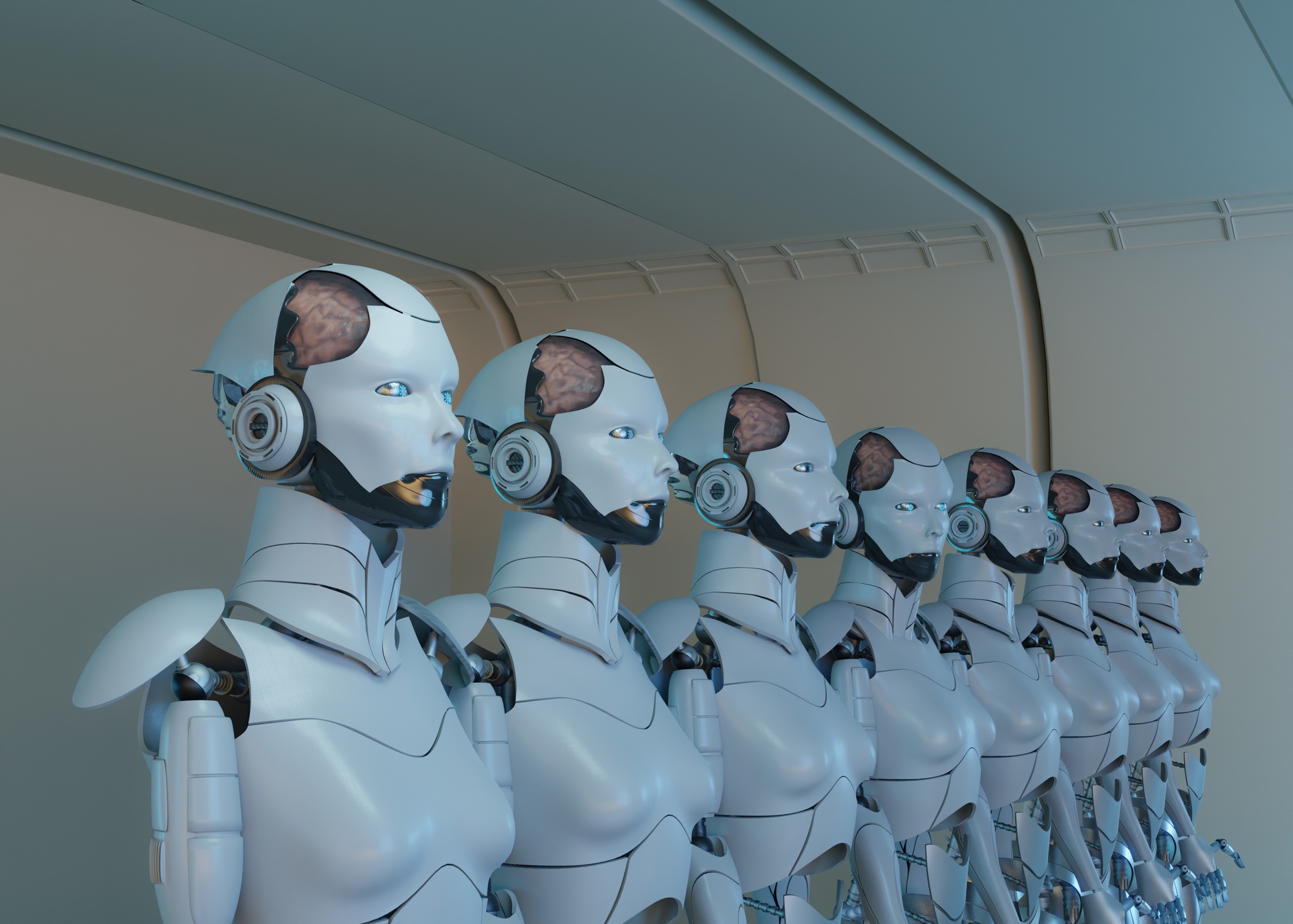
Robot brain technology refers to a new type of system that combines vision, language, and action into one unified model. Physical Intelligence calls its version π0.7, and it works by linking what a robot sees, understands, and does.
Unlike traditional robots that learn one task at a time, this system blends knowledge from multiple sources. It learns from human videos, robot data, and guided instructions. As a result, robots can apply past knowledge to new problems without retraining from scratch.
You can explore more about AI models like this at:
What stands out is how this system behaves more like a general assistant rather than a single-purpose tool. That’s a major leap in robot brain technology.
How Robot Brain Technology Solves New Tasks
One of the most impressive features of robot brain is its ability to handle unfamiliar situations. This is known as compositional generalization combining learned pieces to solve new problems.
For example, researchers tested the system with an air fryer. The robot had only seen limited related data before. Still, it figured out how to cook a sweet potato using partial knowledge.
Here’s how it worked:
- First, the robot attempted the task on its own
- Next, a human gave simple spoken instructions
- Finally, the robot completed the process smoothly
This shows how robot brain technology allows machines to improve through guidance, much like humans learning on the job.
Robot Brain Technology in Real-World Examples
To understand the impact, Physical Intelligence tested artificial brains in everyday scenarios. These included folding laundry, making coffee, and assembling boxes.
The results were impressive:
- Robots handled tools they barely encountered before
- They corrected mistakes using voice instructions
- They worked across different robot hardware
- They combined visual and verbal cues effectively
One standout example involved a completely new robot arm. Even without prior training, the system performed nearly as well as a human beginner.
For more robotics developments, check: technologyreview.com
These results highlight how artificial brains moves beyond controlled lab settings into practical, real-world use.
Why Robot Brain Technology Surprised Researchers
Even the creators of artificial brains didn’t expect some of its outcomes. The system showed abilities that went beyond its training data.
Researchers noted that once the model starts combining knowledge, its capabilities expand quickly. This makes it difficult to trace exactly how it learns certain tasks.
In one case, a researcher handed the robot an unfamiliar mechanical object and asked it to rotate it. The robot completed the task without prior instruction.
This unpredictability is similar to early AI language models. Now, artificial brains brings that same surprise into physical environments.
Robot Brain Technology vs Traditional Robotics Systems
Traditional robotics systems are designed for specific tasks. You train them for one job, and they struggle outside that scope.
Robot brain technology takes a different approach:
- Learns from diverse datasets instead of single tasks
- Adapts to new environments with minimal input
- Reduces the need for retraining
- Performs multiple tasks using one system
Older systems require precise programming. In contrast, robot brain technology responds to natural instructions and real-world conditions.
Performance comparisons show that one general model can match or outperform multiple specialized systems. That efficiency is a major advantage.
Business Impact of artificial brains
Robot brain technology has strong implications for industries like manufacturing, logistics, and even home automation.
Here’s why businesses are interested:
- Reduced development time for automation
- Lower costs due to fewer specialized systems
- Easier interaction through voice or prompts
- Flexibility across different machines
Companies no longer need to rebuild systems for every new task. Instead, they can rely on adaptable models powered by artificial brains.
For more on automation trends, visit: Build a Robot Snowman Guide: Olaf AI Tech Explained
Future Potential of Robot Brain Technology
The future of robot brain technology looks promising. As models improve, robots may learn tasks in real time, just like humans.
Potential applications include:
- Healthcare assistance
- Smart warehouses
- Household robotics
- Advanced manufacturing
Although current systems still need guidance for complex tasks, progress is happening faster than expected.
Robot brain technology could eventually lead to machines that understand broad instructions like “prepare breakfast” without step-by-step input.
Challenges Facing Artificial Brains
Despite its promise, robot brain technology still has limitations:
- It cannot yet fully operate independently in complex scenarios
- High-quality training data is still essential
- Real-world deployment remains limited
- Safety and reliability need further improvement
These challenges are typical for emerging technologies, and ongoing research is addressing them. Robotics Simulation Technology in Industry 4.0
Final Thoughts on Robot Brain Technology
Artificial brains marks a turning point in robotics. It shows that machines can move beyond rigid programming toward flexible learning.
The ability to adapt, learn from guidance, and work across different environments brings robotics closer to everyday life. While still evolving, this technology is shaping the next generation of intelligent machines.
FAQs
What is robot brain technology?
It is a system that combines vision, language, and action to help robots perform tasks without specific training for each one.
Can robot brain technology work on different robots?
Yes, early tests show it can transfer skills across different robot types with minimal adjustment.
How does robot brain technology learn new tasks?
It uses existing knowledge, combines it in new ways, and improves through human guidance or prompts.
Is robot brain technology used commercially yet?
It is still mostly in research stages, but practical applications are getting closer.
Why is robot brain technology important?
It reduces the need for specialized programming and enables more flexible, efficient automation systems.
Author Profile

- Richard Green
- Hey there! I am a Media and Public Relations Strategist at NeticSpace | passionate journalist, blogger, and SEO expert.
Latest entries
 AI WorkflowsJune 6, 2026Microsoft Scout Agent Transforms Productivity Across M365
 Design and SimulationApril 30, 2026Instagram Content Aggregators Rules for Reach 2026
 AI WorkflowsApril 29, 2026Agentic AI Model: GPT-5.5’s Biggest Leap Yet Explained
 Robotics SimulationApril 17, 2026Robot Brain Technology Transforms Modern Robotics Systems