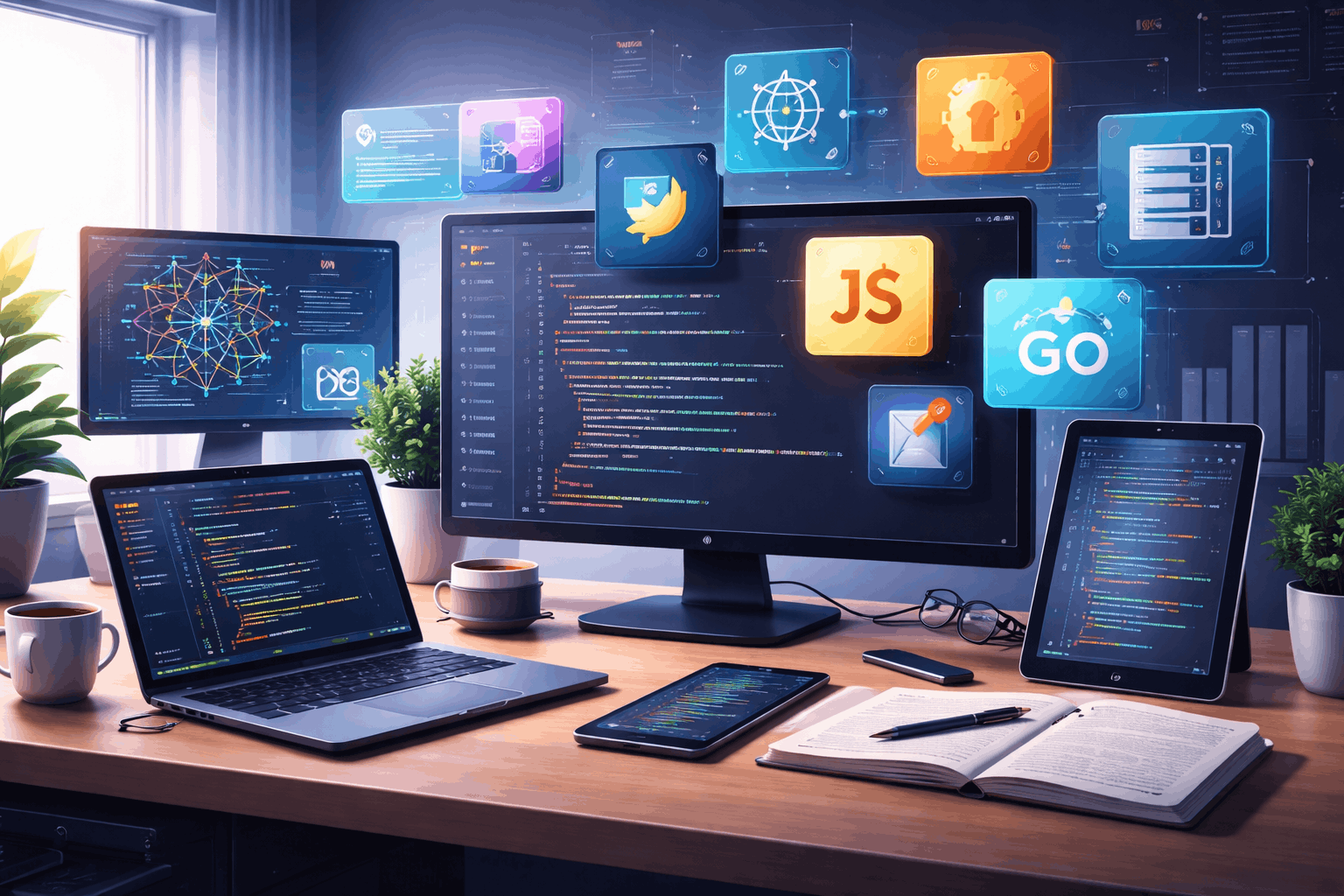
Programming Languages Frameworks to Learn in 2026

Programming languages frameworks continue to be one of the smartest skills you can invest in as 2026 approaches. Technology evolves quickly, and developers who understand how languages and frameworks work together stay ahead of the curve. This guide breaks down the most relevant options for the coming year and explains why they matter in real world jobs. The goal is simple: help you choose tools that build practical skills and long-term career value.
If you are planning your learning path or updating your tech stack, this article offers clear insights based on current industry direction rather than hype.
Why Programming Languages Frameworks Matter in 2026
Learning programming languages frameworks makes a real difference in today’s job market. Companies want developers who can deliver features fast without sacrificing quality. Frameworks provide structure, reusable components, and best practices that help teams move efficiently.
Another reason these skills matter is the growth of AI, cloud computing, and distributed systems. Modern software rarely relies on a single language alone. Instead, success comes from knowing how tools connect and scale. On top of that, developers with modern framework experience often see better pay and more flexible job opportunities.
Benefits of Programming Languages Frameworks for Developers
Choosing the right programming languages frameworks brings several clear benefits. First, you gain access to a wide range of roles, from startups to global enterprises. Frameworks reduce repetitive work, allowing you to focus on solving real problems instead of boilerplate setup.
Strong communities are another advantage. Popular frameworks come with tutorials, forums, and open-source projects that speed up learning. Resources from platforms like
freeCodeCamp make it easier to practice without spending money.
Finally, these skills age well. While tools evolve, the concepts behind frameworks remain valuable, helping you adapt over time.
Programming Languages Frameworks for Artificial Intelligence
When it comes to AI, programming languages frameworks built around Python remain dominant. Libraries such as TensorFlow and PyTorch simplify machine learning workflows, from experimentation to production. Developers often combine them with FastAPI to deploy models as scalable services.
Python’s popularity also means more job opportunities and strong salary growth. For production environments where performance and safety matter, Rust is gaining attention. Its memory safety features reduce bugs, making it appealing for long-term AI systems.
For deeper insight into AI trends, you can explore Google’s official for resources.
Programming Languages Frameworks Powering Web Development
Web development relies heavily on languages frameworks built around JavaScript and TypeScript. React remains a top choice for building interactive interfaces, while Next.js adds server-side rendering and SEO benefits.
These tools power a large portion of modern websites because they balance flexibility with performance. Vue.js works well for smaller teams that want simplicity, while Angular fits enterprise projects that require strict structure and long-term maintenance.
Programming Languages Frameworks for Mobile App Development
Mobile apps benefit greatly from programming languages frameworks that reduce duplication. Kotlin is the standard choice for Android development, offering cleaner syntax and fewer errors. Flutter allows developers to use one codebase for both Android and iOS, saving time and cost.
SwiftUI continues to simplify Apple app development, making interfaces easier to design and maintain. React Native also stays popular, especially for teams already comfortable with JavaScript who want to reuse skills across platforms.
These tools help teams launch faster while maintaining consistent user experiences.
Programming Languages Frameworks for Backend Systems
Backend development depends on programming languages frameworks that handle performance, security, and scalability. Go stands out for microservices and cloud-native systems due to its simplicity and speed. Java developers often rely on Spring Boot to manage complex enterprise applications.
Python’s Django framework speeds up backend development with built-in features like authentication and admin panels. Meanwhile, .NET with C# integrates smoothly with Microsoft Azure for cloud-based solutions.
Node.js with Express remains a solid option for real-time APIs and event-driven applications.
Emerging Programming Languages Frameworks to Watch
New programming languages frameworks continue to emerge as performance and portability become more important. Rust is expanding beyond systems programming into web and server environments. WebAssembly frameworks allow code to run efficiently across browsers and platforms.
Kotlin Multiplatform is another area to watch, enabling shared logic across mobile and desktop apps. C# keeps evolving as well, offering improved performance and strong tooling for cloud-native development.
Staying aware of these trends helps future-proof your skills.
How to Start Learning Programming Languages Frameworks
The best way to learn programming languages frameworks is to start with one clear goal. Choose a language that matches your interests, such as Python for AI or JavaScript for web apps. Use official documentation and free learning platforms to build small projects.
Practice consistently and join developer communities on forums or Discord servers. Contributing to open-source projects gives real-world feedback and improves confidence. Set small milestones so progress feels visible and motivating.
Final Thoughts
In 2026, programming languages frameworks remain a practical and reliable path for career growth. Python continues to lead in AI, JavaScript dominates the web, and Go or Rust handle performance-critical systems. The key is choosing tools that align with your goals and building steadily over time.
Start small, stay consistent, and let real projects guide your learning journey.
FAQs
What are the easiest programming languages frameworks for beginners in 2026?
Python paired with Flask or Django is beginner-friendly due to its readable syntax and strong community support.
How long does it take to learn programming languages frameworks?
Most learners understand basics in three months. Advanced skills usually take six to twelve months of regular practice.
Which programming languages frameworks offer the highest salaries?
TypeScript with React or Next.js pays well in web roles, while Python for AI and Go or Rust for cloud systems often command higher salaries.
Should I learn multiple programming languages frameworks at once?
It’s better to master one language and framework first, then expand once you feel confident.
Are programming languages frameworks still important with AI coding tools?
Yes. Understanding frameworks helps you review, customize, and improve AI-generated code effectively.
Author Profile

- Online Media & PR Strategist
- Hello there! I'm Online Media & PR Strategist at NeticSpace | Passionate Journalist, Blogger, and SEO Specialist
Latest entries
 AI WorkflowsJune 30, 2026X MCP Server Helps AI Tools Connect Faster and Smarter
 AI PlatformJune 19, 2026Microsoft AI Strategy Shapes China’s Enterprise AI Future
 AI WorkflowsJune 16, 2026Reliable AI Systems: Why Probably’s $9M Funding Matters
 AI WorkflowsJune 15, 2026AI Shopping Agents: Why Consumers Trust Them More