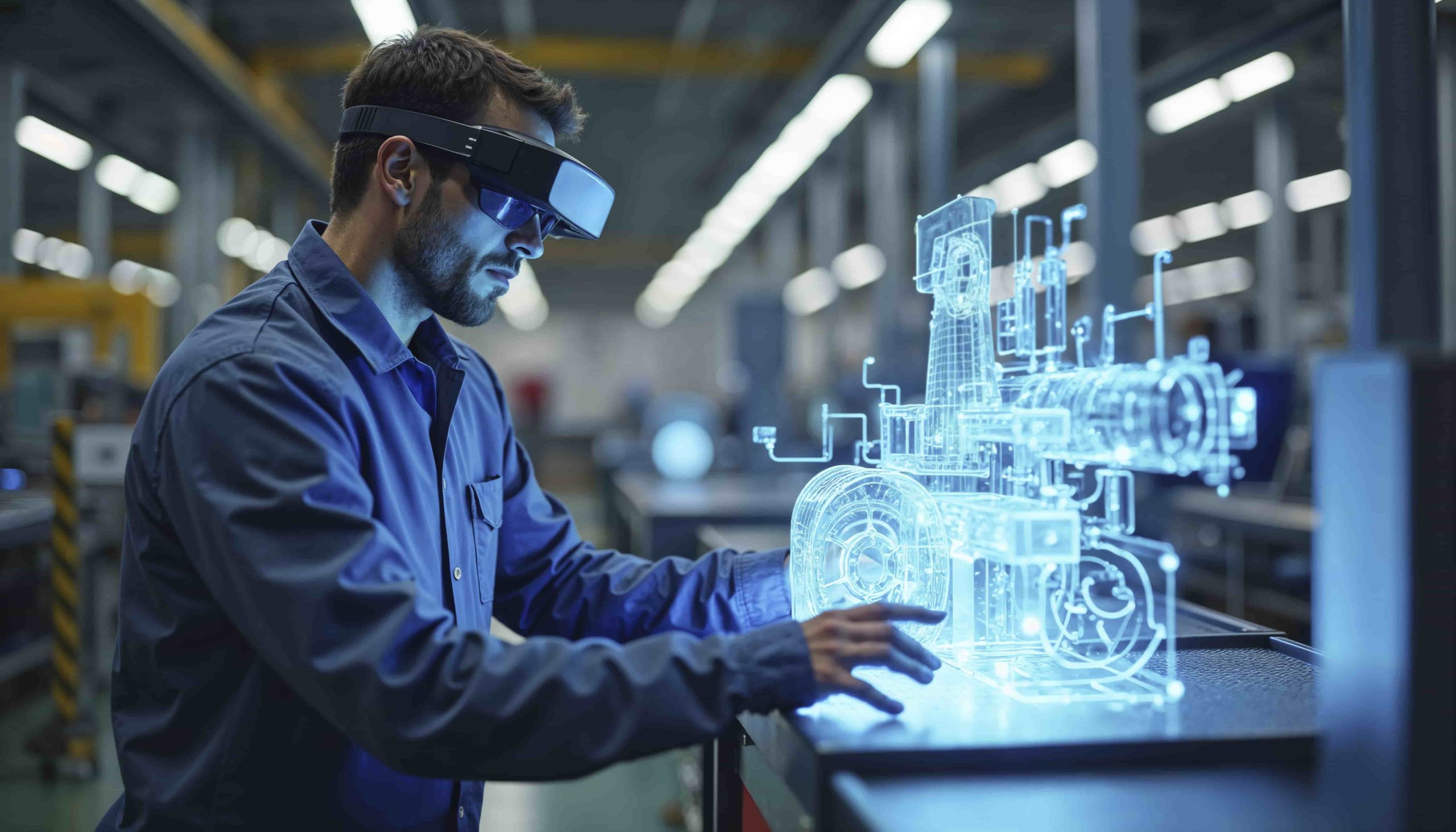
Partnership for Safer Work in Dangerous Environments

AI robotics partnership efforts are changing how industries deal with risky jobs. A new collaboration between technology companies aims to bring smarter robots into places that are unsafe for people. The goal is simple: improve safety while keeping work moving efficiently.
This article explains how the latest AI robotics partnership works, why it matters for industries like energy and mining, and what it could mean for the future of workplace safety.
Why the AI Robotics Partnership Matters for Dangerous Jobs
The modern workplace still includes many tasks that are risky for humans. Think about nuclear facilities, offshore oil platforms, or disaster zones. These environments expose workers to heat, radiation, toxic gases, and unstable structures.
First, companies are looking for safer alternatives. That’s where the AI robotics partnership becomes important. By combining advanced robotics with artificial intelligence, organizations can send machines into environments where humans would face serious danger.
Next, robots can handle repetitive and hazardous tasks without fatigue. They can inspect damaged infrastructure, detect gas leaks, and monitor unstable areas. The Future of Advanced Robotics Technology Explained
Finally, businesses benefit too. Fewer accidents mean lower operational risks and better productivity. Check the ABB Robotics Partners with NVIDIA .
How the AI Robotics Partnership Combines Robotics and Artificial Intelligence
AI Robotics Partnership Enables Smarter Machine Decision-Making
Traditional robots follow strict instructions. However, the AI robotics partnership introduces systems that can interpret data and react to changing environments.
For example, AI-powered robots can:
-
Identify obstacles or structural damage
-
Detect temperature changes or gas leaks
-
Map complex environments in real time
-
Adjust their movement based on conditions
First, sensors collect information from the environment. Next, AI algorithms process that data quickly. Finally, the robot makes a decision about what action to take.
This kind of intelligence helps machines perform tasks that once required human judgment. Check Accelerate Automation With NVIDIA Robotics.
AI Robotics Partnership Improves Safety Monitoring
Another advantage of the AI robotics partnership is better monitoring in high-risk locations.
Consider industries where safety inspections are critical. These include:
-
Nuclear power facilities
-
Offshore oil and gas platforms
-
Mining tunnels
-
Chemical plants
Instead of sending workers into potentially dangerous areas, robots can carry cameras, thermal sensors, and environmental detectors.
First, robots explore the site. Next, they send live data back to engineers. Finally, teams analyze the information and plan safe repairs or maintenance.
In many cases, this approach reduces the need for emergency human intervention.
Industries That Benefit from the AI Robotics Partnership
The AI robotics partnership is not limited to one sector. In fact, several industries are already exploring its potential.
1. Energy and Nuclear Facilities
Energy companies often deal with extreme conditions. Nuclear plants, for example, require regular inspection in areas with radiation exposure.
With robotics, machines can enter restricted zones safely. They can also inspect pipelines, cooling systems, and containment structures.
2. Oil and Gas Operations
Offshore platforms and refineries involve complex equipment and hazardous chemicals. Robots equipped with AI can check for leaks, corrosion, or structural damage.
First, robots scan equipment using cameras and sensors. Next, the AI system detects anomalies. Finally, engineers receive alerts for potential issues.
3. Disaster Response
Rescue teams often face dangerous conditions after earthquakes, fires, or industrial accidents.
Robots developed through an AI robotics partnership can help by:
-
Entering collapsed structures
-
Searching for survivors
-
Mapping debris-filled areas
-
Detecting hazardous gases
This technology can support rescue teams while keeping them safer.
4. Mining Operations
Mining is one of the most hazardous industries worldwide. Underground tunnels can collapse or fill with toxic gases.
AI-enabled robots can explore unstable areas before workers enter. This step improves safety planning and reduces risk.
Technology Behind the Partnership
The success of an AI robotics partnership depends on several key technologies working together. Robotics Simulation Technology in Industry 4.0.
Artificial Intelligence
AI allows robots to interpret complex data from sensors and cameras. It also helps machines recognize patterns, such as equipment faults or structural damage.
Advanced Sensors
Robots use different sensors to understand their environment, including:
-
LiDAR for mapping
-
Thermal cameras for heat detection
-
Gas sensors for chemical monitoring
-
High-resolution cameras for inspections
Machine Learning
Machine learning allows robots to improve performance over time. As they collect more data, their ability to recognize problems becomes more accurate.
Cloud and Edge Computing
Processing data quickly is important in dangerous environments. Cloud and edge computing allow robots to analyze information either locally or through remote servers.
Together, these technologies form the foundation of the AI robotics partnership.
Benefits of the AI Robotics Partnership for Businesses
Companies are paying attention to the potential of the AI robotics partnership for several reasons.
Improved Worker Safety
First, removing people from hazardous areas lowers the chance of injuries and accidents.
Faster Inspections
Next, robots can inspect infrastructure more frequently than human teams.
Better Data Collection
AI-powered machines collect detailed data that engineers can analyze later.
Lower Operational Risk
Finally, early detection of problems helps companies avoid expensive shutdowns or disasters.
These benefits explain why industries are investing in robotics research and partnerships.
Challenges Facing in the Partnership
While promising, the AI robotics partnership still faces a few hurdles.
Technical Complexity
Developing robots that can navigate unpredictable environments is difficult. Engineers must ensure machines remain reliable even in extreme conditions.
Cost of Deployment
Advanced robotics systems can be expensive at first. However, many organizations believe long-term safety improvements justify the investment.
Integration with Existing Systems
Industries already use complex infrastructure. Integrating robotics into current workflows requires planning and training.
Even with these challenges, progress continues as technology improves.
The Future of the AI Robotics Partnership
Looking ahead, the AI robotics partnership could reshape how dangerous work is handled across many sectors.
First, robots may become more autonomous. This means they will require less human control while performing inspections or repairs.
Next, improved sensors and AI models will allow robots to understand environments more accurately.
Finally, collaboration between robotics firms and industry operators will likely grow. These partnerships help combine real-world experience with advanced technology.
In the long run, machines could become a standard part of safety operations in hazardous industries.
Conclusion
Dangerous environments are part of many industries, but technology offers new ways to manage risk. The latest partnership demonstrates how artificial intelligence and robotics can work together to protect workers and improve operational safety.
By sending intelligent machines into hazardous locations, companies can gather better data, detect problems earlier, and reduce exposure to danger. As the technology matures, we may see these systems become common across energy, mining, disaster response, and other high-risk sectors.
The continued development of the AI robotics partnership could mark an important step toward safer workplaces worldwide.
Frequently Asked Questions
What is an AI robotics partnership?
An AI robotics partnership is a collaboration between technology companies that combine artificial intelligence with robotic systems to perform complex tasks, especially in dangerous environments.
How do AI-powered robots help in hazardous environments?
AI-powered robots use sensors and algorithms to analyze surroundings, detect risks, and perform inspections in places that are unsafe for humans.
Which industries use AI robotics partnerships?
Industries such as energy, mining, oil and gas, disaster response, and chemical manufacturing are exploring AI robotics partnerships to improve safety and efficiency.
Are robots replacing human workers in dangerous jobs?
Not exactly. Robots are mainly used to handle high-risk tasks, while humans continue to supervise operations and make strategic decisions.
What technologies support AI robotics partnerships?
Key technologies include artificial intelligence, machine learning, advanced sensors, cloud computing, and autonomous navigation systems.
Author Profile

- Hey there! I am a Media and Public Relations Strategist at NeticSpace | passionate journalist, blogger, and SEO expert.
Latest entries
 AI PlatformMarch 12, 2026Ask Maps Feature: Smarter AI Navigation in Google Maps
 Robotics SimulationMarch 11, 2026Partnership for Safer Work in Dangerous Environments
 Artificial InteligenceMarch 10, 2026Ethical AI Fairness in Modern Data-Driven Decisions
 Artificial InteligenceMarch 5, 2026Nvidia Pulling Back From AI Deals: What Huang Really Means