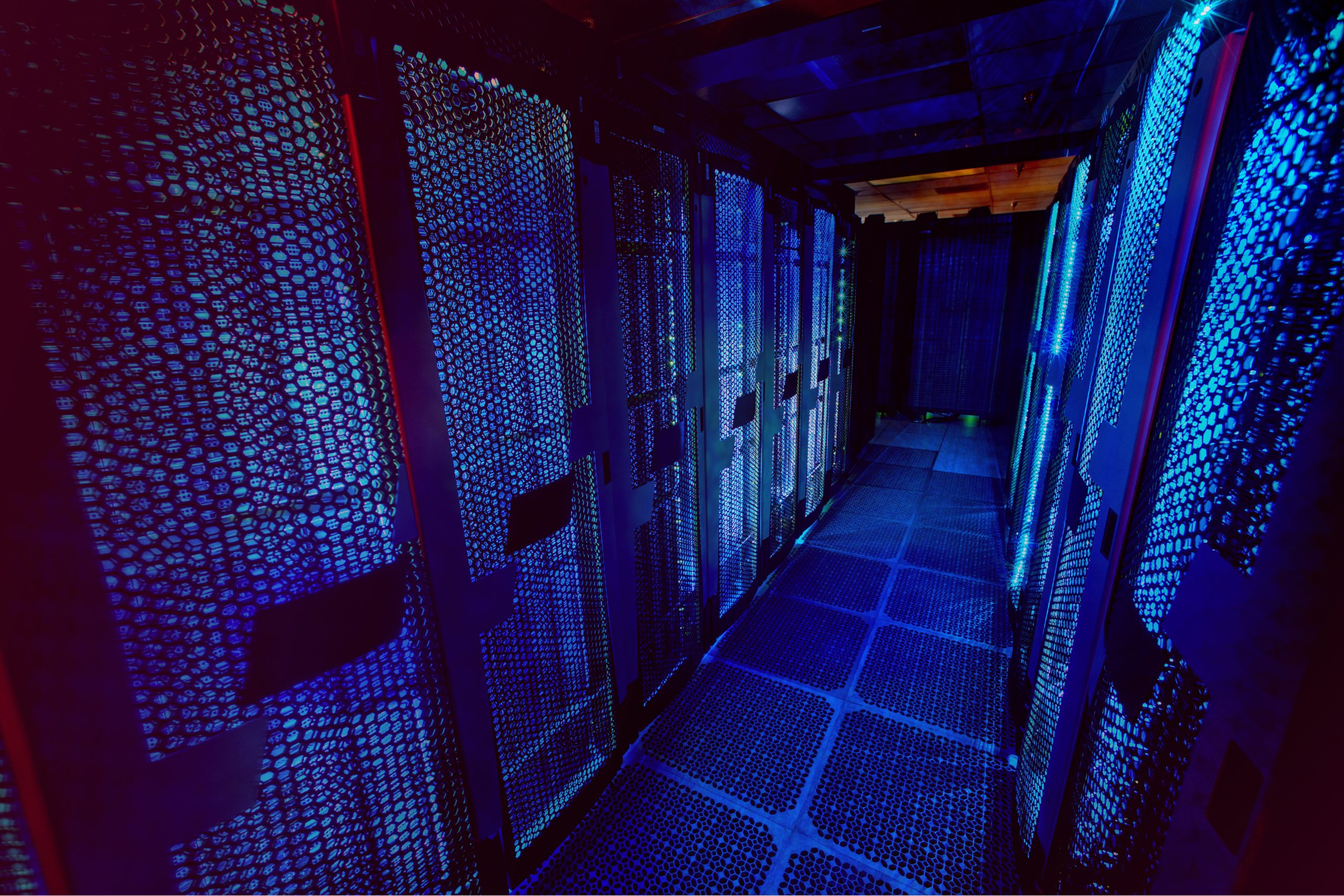
Green Colocation Providers and the Sustainability Advantage

Green colocation providers are becoming a strategic choice for companies that want reliable IT infrastructure without increasing environmental impact. As sustainability expectations rise from regulators, investors, and customers, businesses are under pressure to reduce emissions while maintaining performance. This is where greener data center models offer a real advantage. By combining efficient design, renewable energy, and transparent reporting, these providers help organizations align IT operations with long-term ESG goals.
The demand for sustainable digital infrastructure is no longer niche. Enterprises are actively reassessing where and how their data is hosted. Colocation facilities that prioritize efficiency and environmental responsibility are increasingly preferred, not just for ethics, but for measurable business value.
What Sets Green Colocation Providers Apart in Modern Data Centers
Green colocation providers differentiate themselves by designing and operating data centers with sustainability at the core. Unlike traditional facilities, they focus on minimizing energy waste, reducing water usage, and lowering carbon emissions across operations.
Most of these providers rely heavily on renewable energy sources such as wind, solar, or hydroelectric power. Many also implement circular economy practices, including equipment recycling and responsible supply-chain sourcing. These efforts directly support clients looking to improve environmental metrics without building their own infrastructure.
Industry leaders such as Equinix demonstrate how large-scale facilities can still maintain strong environmental performance while supporting global workloads.
Power Usage Effectiveness and Green Colocation Providers’ Efficiency Gains
Power Usage Effectiveness (PUE) is one of the most important metrics in data center sustainability, and green colocation providers consistently outperform industry averages. PUE measures how much energy is used by IT equipment versus total facility energy consumption.
A lower PUE indicates less wasted energy on cooling, lighting, and auxiliary systems. While older facilities may operate with PUEs above 1.6, modern sustainable sites often achieve figures closer to 1.2 or better. This difference translates into significant cost savings and lower emissions over time.
Providers such as Digital Realty explain how optimizing airflow, using advanced sensors, and redesigning layouts can dramatically improve PUE performance. Their detailed overview is available here: Digital Realty on PUE.
Carbon-Neutral Strategies Used by Green Colocation Providers
Carbon neutrality is another defining feature of green colocation providers. Many achieve this by purchasing 100% renewable electricity, entering long-term power purchase agreements, or investing in verified carbon offsets.
Some providers go further by installing on site generation such as fuel cells or battery storage to reduce reliance on fossil-fuel grids. These approaches help stabilize energy supply while cutting emissions at the source.
Google’s approach to clean energy in its data centers has influenced the broader industry, and its efficiency initiatives can be explored at Google Data Centers. For customers, choosing a carbon-neutral facility simplifies Scope 3 emissions reporting and strengthens sustainability disclosures.
Water-Free Cooling Innovations Among Green Colocation Providers
Water conservation has become a critical concern, especially in regions facing drought and resource constraints. Green colocation providers increasingly adopt water-free cooling systems that eliminate the need for evaporative methods.
Air-based cooling leverages favorable climates to dissipate heat naturally, while immersion cooling submerges hardware in specialized fluids that efficiently transfer heat. These technologies can reduce cooling energy demand by up to 50% and save hundreds of millions of gallons of water annually.
Companies like Novva and Microsoft have demonstrated the viability of zero-water cooling for high-density and AI-driven workloads. QTS provides further insight into these innovations here: QTS Water-Free Cooling.
ESG Reporting Benefits Enabled by Green Colocation Providers
Accurate ESG reporting depends on access to reliable environmental data, and green colocation providers play a key role in this process. Many supply detailed metrics on energy consumption, emissions, and efficiency that customers can incorporate directly into sustainability reports.
Key ESG advantages include:
-
Lower operational carbon footprints
-
Improved compliance with regulations such as EU energy efficiency directives
-
Increased credibility with investors focused on sustainable growth
Organizations like GRESB emphasize the growing importance of sustainable digital infrastructure in ESG assessments. Their analysis can be found at GRESB on Sustainable Data Centers.
Real-World Leaders Among Green Colocation Providers
Several companies stand out for consistently delivering sustainability alongside performance. Equinix operates globally with renewable energy commitments and industry-leading PUE benchmarks. Digital Realty focuses on advanced cooling and energy optimization in major markets.
CyrusOne has expanded water-free cooling across many facilities, while NEXTDC offers carbon-neutral options at the rack level. EvoSwitch continues to invest in efficient designs across Europe, Asia, and the Americas.
Challenges and Future Outlook for Green Colocation Providers
Despite clear benefits, green colocation providers face challenges such as higher upfront capital costs and limited renewable availability in some regions. Retrofitting legacy facilities can also be complex and expensive.
However, future trends are promising. AI-driven monitoring systems now optimize cooling and power usage in real time. Governments are also introducing incentives and stricter efficiency standards that favor sustainable operators.
Industry forecasts suggest that by 2030, sustainability will be a baseline requirement rather than a differentiator. Insights on emerging leaders are covered by Data Center Magazine.
Final Thoughts on the Value of Green Colocation Providers
Green colocation providers offer more than environmental benefits they deliver operational efficiency, regulatory readiness, and stronger ESG performance. By reducing energy waste, eliminating unnecessary water use, and supporting transparent reporting, they help businesses future proof their IT strategies.
For organizations planning infrastructure upgrades or expansions, choosing a sustainability-focused colocation partner can be a practical step toward long-term resilience and responsible growth.
Author Profile

- Hey there! I am a Media and Public Relations Strategist at NeticSpace | passionate journalist, blogger, and SEO expert.
Latest entries
 AI WorkflowsMarch 16, 2026Enterprise AI Factories Enter Production with NTT DATA
 Data AnalyticsMarch 13, 2026Data Lineage Tracking Guide to Understanding Data Lifecycle
 AI PlatformMarch 12, 2026Ask Maps Feature: Smarter AI Navigation in Google Maps
 Robotics SimulationMarch 11, 2026Partnership for Safer Work in Dangerous Environments