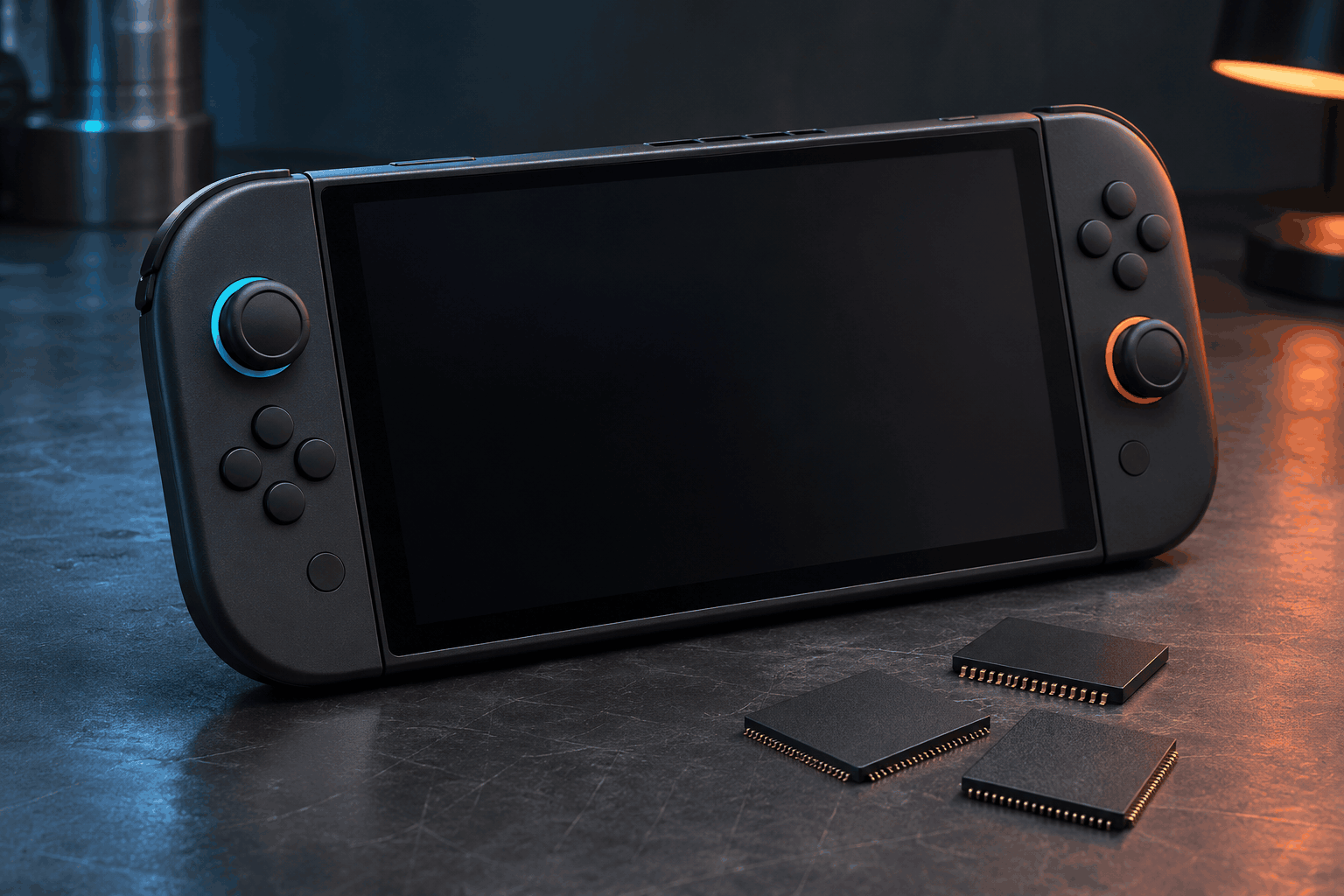
Nintendo Switch 2 Sales Drop 41% as Memory Costs Squeeze Q2

Nintendo Switch 2 Sales Slide 41% as Memory Costs Hit Profit
Operating profit also slid 16% to ¥73.9 billion. The slowdown came as console prices rose in several markets and memory chips became more expensive.Quarterly profit and management comments
For fans, the timing is awkward. Nintendo is heading into the holiday season with a more expensive console and a Zelda remake that could give some buyers a reason to upgrade. For investors, the question is whether games and holiday demand can make up enough ground after a soft summer.
Why Switch 2 Sales Slowed After Launch
The 41% drop compares July through September 2026 with the same months in 2025. That earlier period came soon after the console’s June 2025 launch, when early demand made for a tough comparison. Still, the decline from 3.82 million units in April through June shows that hardware volume also eased from the previous quarter. Quarterly hardware sales breakdown
Price changes added another hurdle. Nintendo raised console prices in the United States, Canada and Japan during the September quarter. A higher price makes the upgrade harder to justify for players who are still happy with their original Switch. However, the sales figures alone cannot show how many shoppers delayed a purchase because of the price. Console pricing and sales report
Meanwhile, the six-month totals tell a slightly different story. Nintendo recorded 6.49 million units for its newer console and 1.27 million for the original Switch between April and September. That gives a clearer view of how much hardware the company sold before the holiday rush. It also shows that Nintendo still has two generations of consoles on the market. Half-year hardware and earnings figures
Games also play a role in the upgrade decision. Early buyers may have wanted new hardware straight away, while other players can wait for a particular series to return. For a family buying a console, the cost of the first game can change what looks affordable. A bundle can make that choice easier when it includes a game the buyer already wanted.
How Memory Costs Put Pressure on Switch 2 Sales
Memory chips are a key part of a games console. When they cost more, Nintendo has less room to protect its profit on each unit without raising the retail price. The shortage reaches beyond gaming, with demand linked to the AI boom adding pressure across the technology industry. Memory shortage and earnings coverage
This leaves Nintendo with two problems to manage. Keeping enough chips on hand helps it build consoles for the holiday season. However, securing that supply still leaves the company exposed to higher component costs. Raising retail prices can help cover those bills, while also giving price-sensitive shoppers another reason to wait.
The quarterly decline in operating profit also sits alongside a stronger half-year net profit figure. Net profit rose about 11% to ¥220.9 billion from April through September, even as revenue fell 12% to ¥966 billion. The two figures cover different periods and measure different things. Operating profit tracks the core business, while net profit reflects the final result after other income and expenses. ·
For now, Nintendo President Shuntaro Furukawa said the company could secure enough memory and was considering no further price changes. That gives shoppers an idea of Nintendo’s current plans. The company also kept its full-year hardware forecast at 16.5 million units through March 2027. Can Zelda and Holiday Games Lift Switch 2 Sales?
Software brought some brighter news. Digital sales grew during the first half, while newer releases such as Star Fox and Splatoon Raiders drew buyers. Meanwhile, Mario Kart World continued to find an audience after its launch. Those games give people who already own the console more reasons to keep playing and spending.
The next big test is The Legend of Zelda: Ocarina of Time. Nintendo released the remake on 5 November, just as shoppers began planning holiday purchases. For longtime fans, a familiar game can be a reason to upgrade. For Nintendo, the test is whether enough of those buyers pick up a console alongside the game.
Nintendo needs about 10 million more units in the second half to reach its 16.5 million target. Christmas and New Year typically bring some of the company’s strongest sales, so the next quarter matters more than a simple comparison with the summer might suggest. Retail stock, local prices and bundles will help show how the season is shaping up.Nintendo investor relations
Nintendo is also competing for holiday spending with games that people can play on hardware they already own. Subscription releases add to those choices, especially for households weighing a new console against several months of games. PlayStation Plus game lineup · Xbox Game Pass release guide
For shoppers following the holiday offers, the price of the full setup matters. A lower bundle price can look appealing, but its value depends on whether the included game suits the buyer. The same applies to extras such as another controller for local multiplayer. Comparing what comes in the box can help explain why a retailer’s most visible offer may differ from the cheapest way to get started.
For investors, the next update should also show how closely game demand tracks console demand. A strong Zelda launch could mainly reflect purchases by existing owners, while faster hardware sales would signal broader demand for the system.
The holiday results will show whether Nintendo can turn interest in its games into demand for the console at its higher price. Strong game sales would still help if hardware demand remains soft. But a pickup in both would give Nintendo a better chance of meeting its target before the fiscal year closes in March.